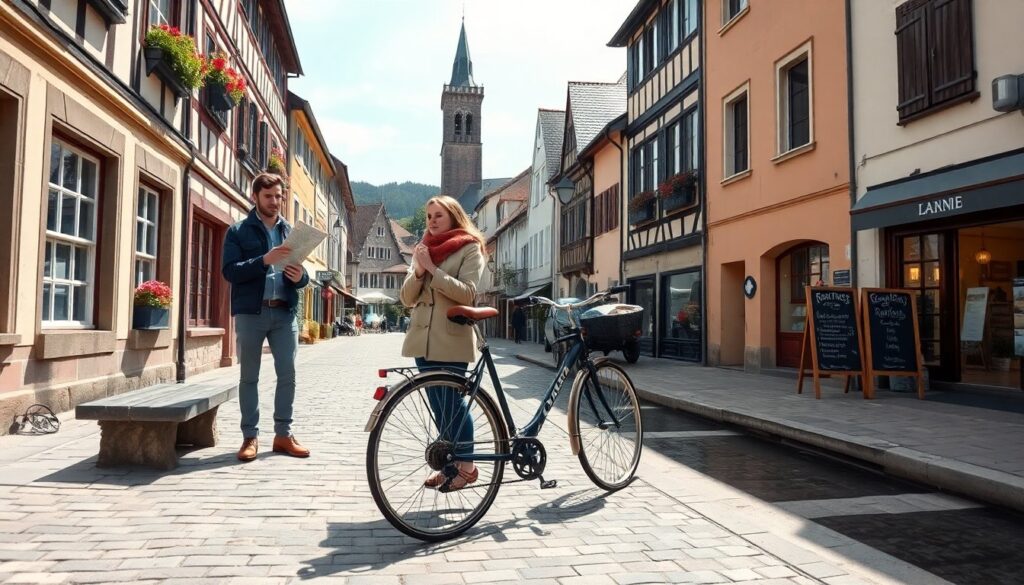

Travelers seek secret travel destinations europe for new experiences. This guide lists nine less-known places across Europe. It gives quick facts, transit options, and low-impact advice. The tone stays practical and direct. Readers will find clear steps to plan a short trip or a longer stay.
Key Takeaways
- Secret travel destinations in Europe offer unique experiences like quiet beaches, hidden waterfalls, and local cultural encounters away from crowds.
- Travelers should plan to visit these secret spots by booking regional flights and using trains, ferries, or small car rentals for convenient and eco-friendly transport.
- Choosing guesthouses and family-run inns not only enhances local experiences but also supports small communities and sustainable tourism.
- Timing trips during shoulder seasons and checking local rules helps avoid crowds and ensures access to trails, services, and seasonal activities.
- Practicing responsible travel by respecting wildlife, following marked paths, and minimizing environmental impact preserves these secret destinations for future visitors.
- Using slow travel itineraries with longer stays reduces transit frequency, lowers emissions, and allows deeper cultural engagement with these lesser-known European spots.
Nine Under-the-Radar Destinations Worth Visiting (Quick Snapshot)
Portugal: They visit the Azores for crater lakes and quiet coastal towns. The islands offer whale watching and geothermal pools. Travelers who like nature will prefer late spring.
Slovenia: They go to Kolpa River valley for clear water and village life. Hikers will find soft trails and few crowds. Local guesthouses serve fresh food.
Romania: They explore the Apuseni Mountains for caves and pastoral landscapes. Villages keep crafts and local markets. They book a guide for cave routes.
Scotland: They reach the Outer Hebrides for white sand beaches and Gaelic culture. Birdwatchers will spot unique species. Ferries run in summer and winter timetables change.
Estonia: They wander to Hiiumaa Island for lighthouses and quiet roads. Cyclists will enjoy low traffic. Small cafes open by reservation in low season.
France: They track down secret nature spots in france for wildflower meadows and hidden valleys. The spots reward early visitors and those who walk short trails.
Greece: They find small Cyclades islets for empty bays and stone paths. Fish tavernas operate seasonally. Boats run a few times daily in summer.
Spain: They follow mountain tracks in Asturias for waterfalls and green ridges. Hikers will meet shepherds and small refuges.
Croatia: They chase hidden waterfalls in europe away from main parks for quiet pools and short climbs. They pack water shoes and a light towel.
Readers will use this snapshot to pick two or three spots. They will check local rules, seasonal access, and lodging. The list helps them match interests and travel time.
How To Reach These Secret Spots: Transport, Timing, And Where To Stay
Travelers book flights to regional airports for faster access. They prefer low-traffic carriers and flexible tickets. They then use trains or ferries for final legs.
In many areas, train travel europe slow travel connects towns with reliable schedules. Travelers buy tickets in advance for seat guarantees on busy days. They carry a small bag for short transfers.
For island and rural access, they use local ferries and buses. They time trips for morning departures to avoid cancellations. They also check seasonal timetables before booking.
When they look for lodging, they favor guesthouses and family-run inns. These places offer local food and simple comforts. They book early for peak months.
Slow travel europe itinerary helps them plan fewer stops and longer stays. Travelers set two or three nights per place to reduce rush. They reserve nights near transport hubs for arrival day.
For road trips, they rent small cars in regions with narrow roads. They choose diesel or hybrid models for better range. They check parking rules in village centers.
When travelers plan timing, they aim for shoulder seasons. They avoid high summer when popular spots fill. They confirm opening hours for trails and local services.
Travelers carry basic maps and offline guides. They also register arrival details with hosts. These steps reduce stress and make travel smoother.
Practical Tips For Responsible, Low-Impact Travel To Hidden Places
Visitors keep their footprint small. They follow marked trails and avoid short-cutting. They pack out all trash and leave sites as they found them.
They support local economies by choosing nearby shops and family-run stays. This practice sends money to small communities. It also funds local upkeep of paths and services.
They read rules for sensitive areas and follow seasonal closures. They respect wildlife by keeping distance and staying quiet. They avoid feeding animals or leaving food scraps.
They learn basic local phrases and customs. This step shows respect and helps in small towns. Hosts often respond with extra help or tips.
Underrated travel destinations 2026 lists show which places need careful demand management. Travelers consult those lists for guidance on where to avoid peak use. They spread visits across weeks and months.
They choose slow travel europe itinerary options that use trains and local transport. This choice lowers emissions and encourages local businesses. They also consider longer stays to reduce transit frequency.
They carry a refillable bottle and use local water sources where safe. They also bring a lightweight first-aid kit and simple repair tools for gear.
Before visiting sensitive sites, they contact local authorities or guides. This contact ensures compliant behavior and safer visits. It also creates income for local stewards.
These steps help keep secret travel destinations europe pleasant for future visitors. They also keep local cultures intact and landscapes healthy.