
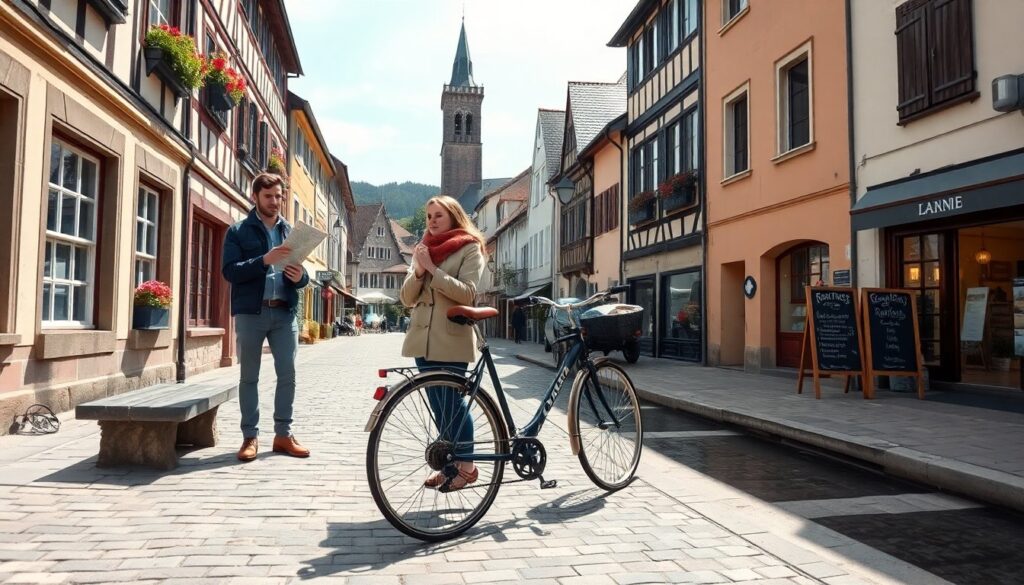
hidden gems in germany small towns appear off major routes and reward visitors with local food, quiet streets, and living history. The guide lists seven towns that offer authentic scenes without big crowds. Each entry gives quick highlights, what to see, and how a visitor can feel the town’s character in a short visit. The language stays simple and direct to make planning easier.
Key Takeaways
- Small towns in Germany offer authentic experiences with local food, quiet streets, and rich traditions away from major tourist routes.
- Exploring hidden gems in Germany small towns reveals living history through medieval streets, timber-framed houses, and local festivals.
- Visitors should plan flexible transportation and accommodations to enjoy these quiet towns, making the most of trains, bikes, and guesthouses.
- Bamberg, Quedlinburg, Monschau, and Meersburg exemplify unique small towns with medieval charm, beer culture, UNESCO heritage, and lakeside views.
- Day-trip itineraries combining multiple hidden gems provide diverse encounters with history, nature, and regional cuisine in one visit.
- Learning basic German phrases and respecting local customs enhances interactions in these lesser-known towns, enriching the travel experience.
Why Small Towns Offer The Most Authentic German Experiences
Small towns show daily life. They preserve local food, craft, and festivals. Travelers find quieter streets and smaller crowds. Shops often use recipes passed down for generations. Guides and locals share stories at cafes and markets. Visitors hear regional dialects and learn local calendar events. Small towns sit near nature, so short walks reveal farms, orchards, or river views. For planning, a map and flexible schedule help. Many travelers use resources about hidden gems in europe underrated places to spot similar towns and compare options.
Practical Travel Tips For Exploring Germany’s Lesser-Known Towns
Pack light and arrange flexible transport. Trains and regional buses connect most towns. Rent a bike for local streets and short trails. Book small guesthouses early for festival weekends. Learn a few German phrases to ease interactions. Carry cash because some shops prefer notes. Respect local quiet hours in residential areas. Read local event calendars before traveling. Travelers consult posts about off the beaten path europe travel to plan routes and timelines. They also explore the site’s home page for broader ideas about how to collect moments while traveling.
Bamberg: A Beer-Lover’s Medieval Masterpiece
Bamberg pairs medieval streets with a strong beer culture. Visitors stroll narrow lanes to reach the old town and a riverside cathedral. Several breweries serve smoked beer and local lagers. People sample beer in taverns that date to early centuries. The town’s layout invites a walking loop that hits key sights and three main breweries. Travelers find guided beer walks or self-guided maps at tourist centers. For regional context and similar stops, readers consult guides on secret travel destinations europe that list comparable small-town beer scenes.
Quedlinburg: Timber-Framed Alleys And UNESCO History
Quedlinburg shows hundreds of timber-framed houses clustered on a hill. The town earned UNESCO status for its preserved medieval center. Visitors walk from the castle to the market square in minutes. Museums explain local trade and royal history. Streets reveal different architectural styles across centuries. Local bakeries sell regional pastries and breads worth sampling between visits to churches and museums. Travelers read more on related travel lists like hidden waterfalls in europe to add natural stops near historic towns during the same trip.
Monschau: Picture-Perfect Streets And Slow-Paced Charm
Monschau sits in a narrow valley with well-preserved half-timbered houses. The town centers on a small river and a compact market square. Visitors take short walks to hilltop views and local museums. The town hosts textile and crafts shows that explain local industry history. Small cafes serve hearty regional dishes and warm apple wine. Monschau suits travelers who want slow days and photos of quiet streets. For ideas that pair well with Monschau, planners consult lists of unique places to visit in switzerland for nearby alpine extensions.
Meersburg: Lakeside Castle Views And Vineyard Trails
Meersburg overlooks a large lake and a steep castle. Visitors walk castle courtyards, then descend to vineyard paths by the water. Wine taverns pour regional whites that pair with lake fish. The pedestrian Old Town offers short alleys, craft shops, and waterfront benches for long views. A short ferry ride links Meersburg to other towns on the lake. Travelers search travel resources about secret nature spots in france to combine lake and nature ideas on longer routes. The town fits well into slow itineraries that favor tasting local wine and walking.
Sample Day-Trip Itineraries To See Multiple Gems In One Visit
Plan one base town and two short day trips. Use a central rail hub or a rented car to reach nearby villages. An example route starts in a regional city, spends morning in a nearby medieval town, and spends afternoon at a lakeside village. Another route links two towns with a scenic bicycle path and stops at a roadside winery. Travelers mix history, food, and nature across a single day. For more route ideas and broader lists, they consult articles on hidden beaches in spain not crowded and hidden gems in europe underrated places.