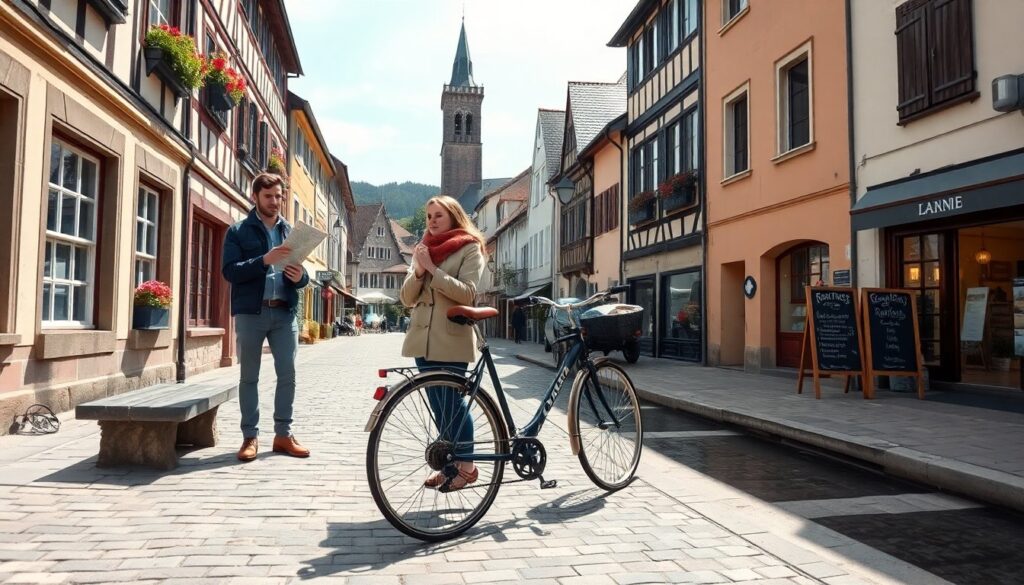
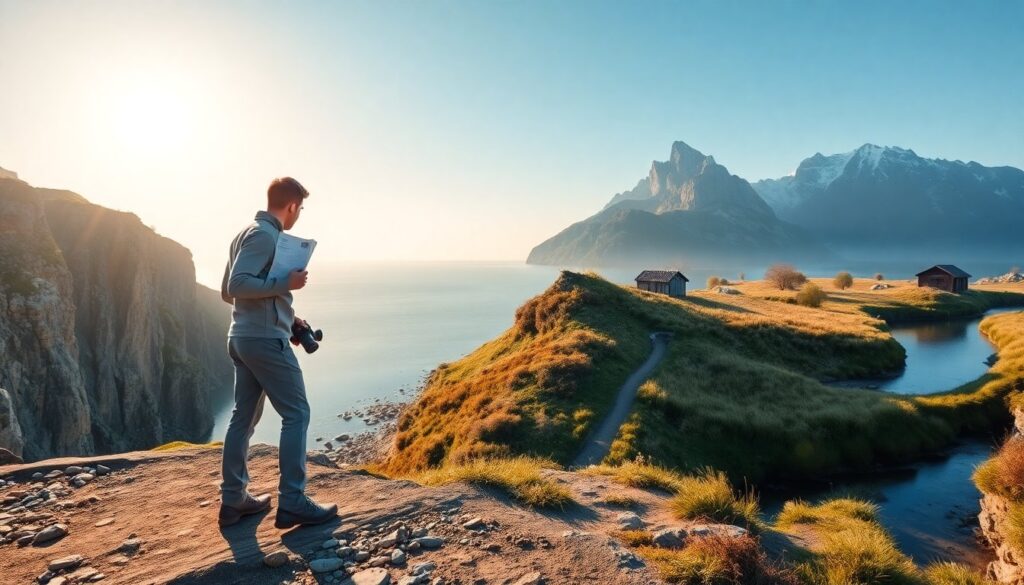
They explore secret nature spots in France to find quiet coastal coves, alpine meadows, and ancient woodlands. The reader learns where to go, what to expect, and how to respect each site. The guide stays practical and direct. It keeps focus on less-visited places and simple travel tips.
Key Takeaways
- Secret nature spots in France include quiet coastal coves, alpine meadows, and ancient woodlands that offer tranquility away from crowds.
- Visitors to these secret nature spots in France should respect local rules, stay on marked paths, and practice leave-no-trace principles to preserve delicate ecosystems.
- Coastal secrets feature pebble coves, tidal lagoons, and secluded beaches best explored at low tide with sturdy shoes and water supplies.
- Mountain refuges offer alpine meadows and remote passes ideal for nature lovers from late spring to early autumn, requiring careful planning and weather preparation.
- Ancient woodlands and wetlands provide rich birdwatching and peaceful hikes, with early mornings and late afternoons being prime times to visit.
- Linking visits to secret nature spots in France with underrated locations in Europe enhances travel experiences and supports multi-country itineraries.
Coastal Secrets: Quiet Beaches, Cliffs, And Coastal Lagoons
The west coast hides many secret nature spots in France that stay calm even in summer. Travelers find pebble coves and sand pockets between headlands. A few drive small coastal roads to reach beaches that get little foot traffic. They walk cliff paths at dawn and watch seabirds feed below stone ledges.
In some areas, tidal lagoons sit behind dunes and host salt-tolerant plants and wading birds. Visitors approach these lagoons on marked tracks to avoid trampling vegetation. Local guides suggest low tide for better access and soft light for photos.
The region also connects to broader lists of quiet destinations across Europe. Readers can compare nearby choices with other secret travel destinations europe to plan longer trips. Hikers who like waterfalls may pair a coastal day with hidden waterfalls in europe inland visits to vary scenery.
For travelers who prefer sand and solitude, the guide recommends looking at reports of hidden beaches in spain not crowded to learn how other coastal regions manage low-season access. The reader who wants small villages beside quiet shores will appreciate resources on hidden gems in europe underrated places that show nearby towns and local markets.
Practical tips: carry water, wear sturdy shoes for cliffs, and check tide charts. The visitor should leave no trace and respect local rules. The coastal spots reward slow travel and quiet observation.
Mountain Refuges: Alpine Meadows, High Lakes, And Remote Passes
High mountains hold secret nature spots in France above tree line. Hikers reach alpine meadows that bloom with wildflowers late in the season. They find small lakes that mirror peaks and that rarely see other people. Daytrips start from tiny hamlets or from higher refuges tucked along old shepherd routes.
A remote pass can lead to a pocket of silence where marmots call and ibex roam on steep ledges. Hikers plan for changeable weather and carry layers. They book refuge beds in advance on busy weekends, but many huts stay quiet on weekdays.
Maps that list unique places to visit in switzerland can help readers compare alpine styles and trail grades for cross-border ideas. The comparison helps those who want varied terrain within a single trip.
Mountain travel stays seasonal. The safest months run from late spring to early autumn. The traveler should check local mountain rescue notices and trail conditions. They should use physical maps and a charged phone, and they should tell someone their route. Simple gear, careful pacing, and respect for grazing animals keep visits low impact.
These mountain refuges reward patience. The visitor will notice light change, birdsong, and quiet that feels rare after a day on crowded routes.
Woodlands & Wetlands: Ancient Forests, Reed Beds, And Hidden Rivers
Old woodlands contain secret nature spots in France where trees grow thick and paths stay narrow. Walkers follow shaded tracks to mossy clearings and small streams. They hear woodpeckers and owls and find fungi in damp humus.
Wetlands sit low near river bends and support reed beds that host warblers, herons, and migrating ducks. Birders time visits for early morning or late afternoon when activity peaks. They use blinds and quiet approaches to avoid disturbance.
The reader can link woodland visits to other underrated places across Europe by consulting hidden gems in europe underrated places. That resource shows linked routes and small towns that sit near protected forests.
Some river valleys hide minor cascades and pools that feel private. Readers compare these with hidden waterfalls in europe to find similar small falls and streamside spots on continental routes. Photographers like soft light under canopy and reflections in slow water.
Small towns near these habitats offer local meals and simple inns. The reader who enjoys cultural stops can look into hidden gems in germany small towns for ideas on village stays and regional food. That comparison helps plan multi-country itineraries.
Practical guidance: stay on marked paths, avoid nesting areas in spring, and carry insect repellent for wetlands. The visitor who moves slowly sees detail: dragonflies, lichens, and subtle changes in soil and water.