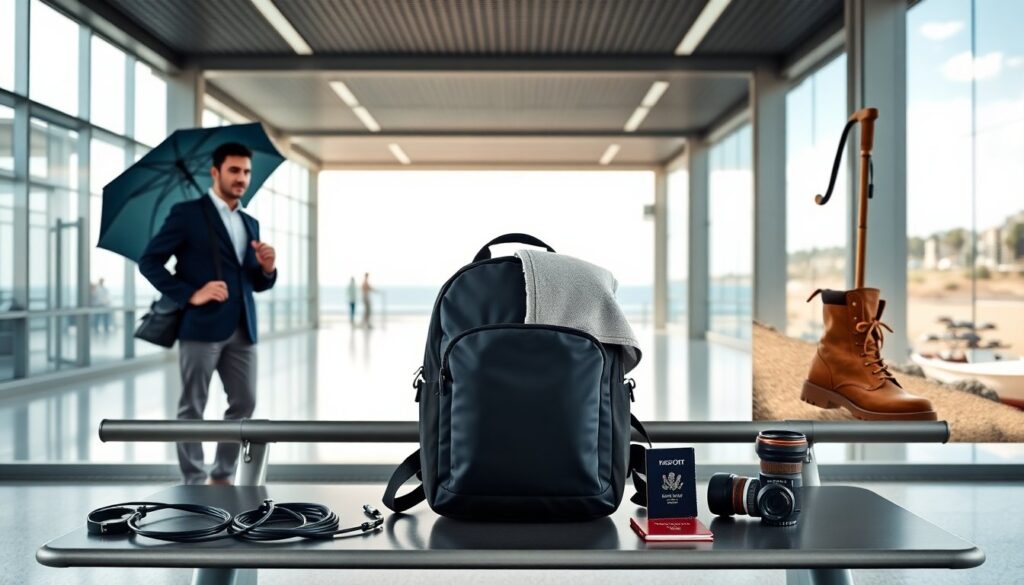
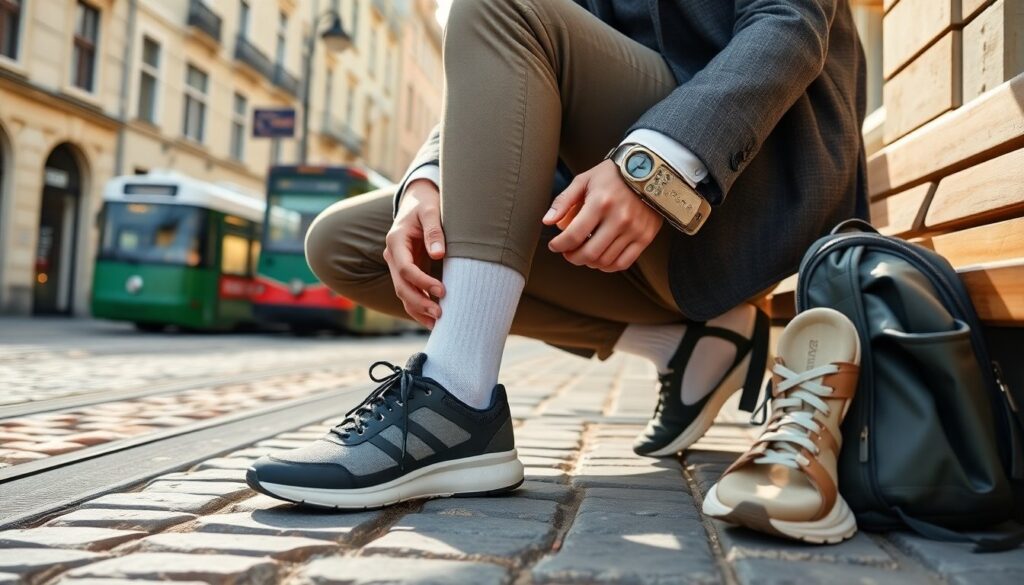
Travelers ask which shoes for travel walking Europe work best. The right shoes for travel walking Europe reduce pain and speed movement. This guide lists types, features, and packing tips. It helps travelers pick shoes for travel walking Europe with confidence.
Key Takeaways
- Choosing the right shoes for travel walking Europe is essential to reduce pain and enhance walking efficiency on varied terrains like cobblestones, gravel, and paved city streets.
- Prioritize fit by measuring feet in the afternoon, testing with travel socks, and ensuring proper heel hold, toe room, and arch support to prevent blisters and fatigue.
- Select shoes based on your route: lightweight cushioned sneakers for cities, trail runners for countryside walks, and light hiking shoes for mountain paths to balance comfort and support.
- Key shoe features to focus on include firm midsoles, multi-directional traction, lightweight construction, breathability, and quick-drying materials suitable for Europe’s mixed climate.
- Break in shoes before trips with short walks, pack them in shoe bags to protect other items, and carry a repair kit and extra insoles for comfort and emergencies during travel.
- For airport convenience, wear bulkier shoes on the plane to save space and keep one accessible during transfers, optimizing packing and security procedures.
What Makes Walking In Europe Different — Terrain, Climate, And Daily Distances
Europe offers mixed surfaces and short-transfer logistics. Streets use cobblestones, tram tracks, and uneven sidewalks. Trails include gravel, wet grass, and light roots. Cities present long paved walks and frequent stairs. Weather shifts between sun, rain, and sea breezes within a day. Travelers who plan long daily walks need shoes for travel walking Europe that handle both pavement and soft ground. Those who pack light should choose shoes for travel walking Europe that dry quickly and resist odor. For longer hikes, hikers add trail runners or light hiking shoes to their shoe list.
How To Choose The Right Travel Walking Shoe For Europe
Buy shoes that match planned activities and distance. Measure feet in the afternoon. Try shoes with the socks travelers will wear on the trip. Prioritize fit over style. Test heel hold, toe room, and arch support. Think about weight and pack space. Choose midsole cushioning for longer walking days. A shoe that fits will prevent blisters and reduce fatigue. Many readers combine one pair for city use and one pair for hikes. See a recommended lightweight travel gear list to pair shoes with compact gear. Budget travelers can consult a budget travel gear essentials article when they choose economical shoes.
Key Features To Prioritize (Support, Traction, Weight, Breathability)
Support matters for long days on hard surfaces. Shoes need firm midsoles and stable heels. Traction matters on wet cobblestones and muddy trails. Select soles with multi-directional tread. Weight matters for packing and foot fatigue. Lighter shoes reduce energy use over miles. Breathability matters in summer cities and during multi-day wear. Mesh panels dry fast and reduce odor. Water resistance helps in rainy weather but avoid heavy waterproof boots for warm routes. Insoles with moderate arch support help many walkers. Travelers can reference a minimalist travel gear checklist for pairing insoles with minimal packing.
Best Shoe Types For Different Routes — City Streets, Countryside, And Trails
Select shoe types by route and pace. City routes favor cushioned sneakers with good soles for steps and transit. Countryside walks favor trail runners with flexible midsoles and good grip. Mountain paths need light hiking shoes with firmer support and stronger ankles. Multi-day trips with varied surfaces benefit from versatile shoes that combine city comfort and trail grip. For beach towns and hot cities, sandals with arch support work for short walks. For mixed itineraries, travelers carry a pair of versatile sneakers and compact trail runners. Packing with a carry on backpack travel guide helps balance shoe choices and weight.
City, Countryside, And Warm-Weather Options — When To Pick Lightweight Sneakers, Trail Runners, Or Sandals
Pick lightweight sneakers for urban days with many museums and cafes. Choose trail runners for gravel roads and light trails outside towns. Choose sandals for short walks in warm coastal towns and for cooling feet on long travel days. Match socks to shoe type. Use low-cut socks with sandals that accept them and breathable crew socks with trail runners. For women planning varied routes, a guide on travel gear essentials for women helps match shoe choice to packing and outfit needs.
Fit, Break-In, And Packing Tips For Stress-Free Walking
Fit shoes with a thumb width of space at the toe. Walk around stores and on short outdoor routes before long trips. Break in shoes with weekend walks and light hikes. Pack shoes in shoe bags to protect clothing and reduce odor spread. Use a second pair of thin liners when carrying one pair only. Carry a small repair kit with extra laces and adhesive. Rolling clothes around shoes saves space and protects form. Budget-minded travelers can apply tips from a budget travel gear essentials page to reduce packing weight and cost.
Care, Insoles, And Airport/Security Considerations To Keep You Moving
Clean shoes after wet or muddy days to prevent damage. Dry shoes with newspaper to speed moisture removal. Remove insoles to air them overnight. Carry compact foam insoles for extra cushioning on long days. For airline security, wear bulkier shoes on the plane to save carry-on space. Keep one pair accessible during transfers to avoid delays. Pack shoes near the bottom of a carry-on or in a shoe compartment in a carry bag. For longer stays, check an adventure travel packing list to add repair items and spare insoles.