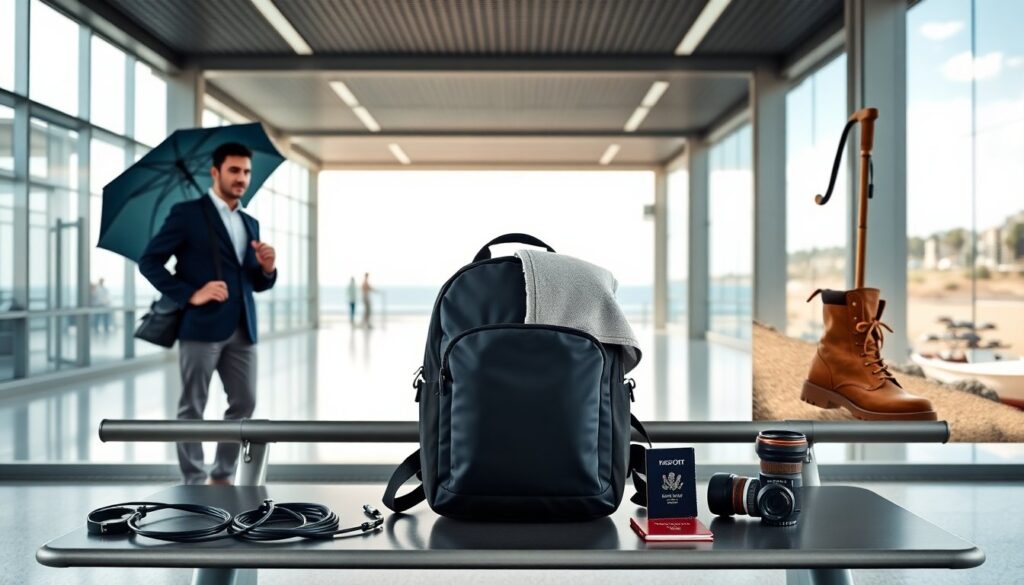
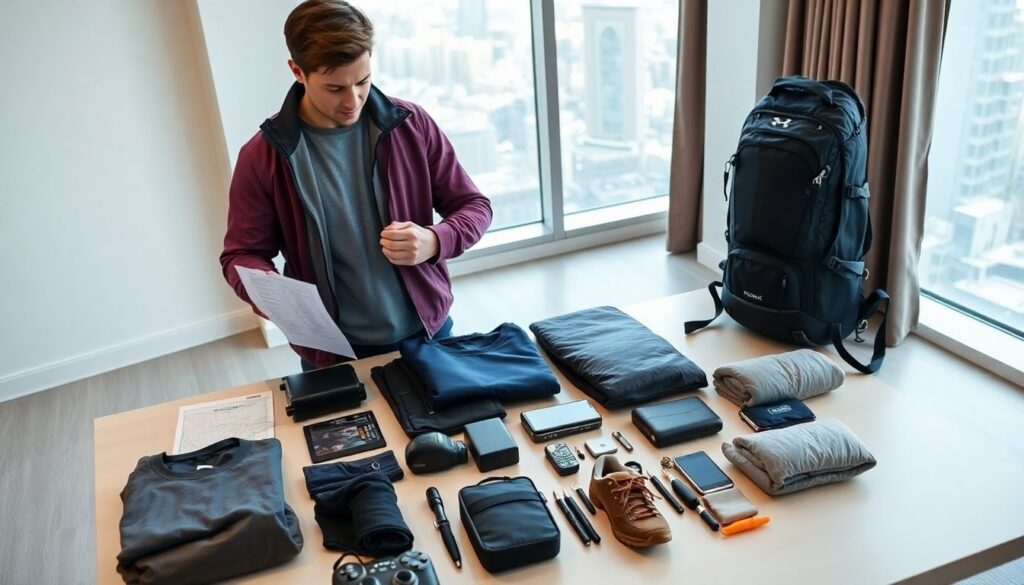
An adventure travel packing list helps a traveler pack with purpose. It sets priorities, limits weight, and prevents forgotten essentials. This guide shows a clear packing plan. It covers clothing, gear, health items, and documents. The list fits hiking trips, multi-day treks, and mixed transport travel. The reader will learn what to carry, what to leave, and how to pack for efficiency.
Key Takeaways
- An effective adventure travel packing list sets priorities and limits weight to ensure you carry only essential items.
- Use a layering strategy for clothing, selecting fast-drying, odor-resistant fabrics and appropriate footwear for varied terrain.
- Choose a backpack sized for your trip with good support, and include navigation tools, power sources, and safety gear to stay prepared.
- Pack lightweight camping gear suited to the season, including a tent, sleeping pad, and a sleeping bag rated for expected temperatures.
- Bring a tailored first aid and hygiene kit with necessary medications, water purification options, and biodegradable toiletries.
- Secure important documents in waterproof sleeves, carry a mix of cash and cards, and include travel insurance and small repair kits for practical peace of mind.
How To Plan Your Pack: Trip Profile, Weight Goals, And Packing Workflow
Plan starts with a trip profile. A traveler lists duration, climate, activities, and resupply points. They set a weight goal for the main bag. They measure current gear and cut items that duplicate function. They build a workflow: lay out gear, test fits, then repack by frequency of use. A common method uses a core kit and a daily kit. A core kit stays in the main bag. A daily kit goes into a daypack. For lightweight trips they follow a lightweight travel gear list.
Clothing & Footwear: Layering Strategy, Fabric Choices, And Shoe Selection
Clothing selection follows a layering strategy. A traveler packs a base layer, an insulating midlayer, and an outer shell. They choose fabrics that dry fast and resist odor. They replace cotton with synthetic or merino for base layers. They pick shoes for the main activity and a lighter pair for town. They test shoes with the expected load and terrain. For budget trips they compare items from a budget travel gear essentials list. They include socks, a hat, and gloves based on climate. The traveler adds a compact camp shoe.
Technical Clothing And Weather Protection (Baselayers, Insulation, Rain, Sun)
A traveler packs baselayers for moisture control. They add an insulating layer for cold nights. They choose a lightweight down or synthetic jacket. They include a waterproof breathable shell for rain. They carry sun protection: a sun shirt, hat, and sunglasses. They add a buff for wind and dust. Fabrics must dry quickly and not snag. For minimalist trips they follow a minimalist travel gear checklist. They leave heavy items at home when climates allow.
Gear & Tech: Choosing Backpacks, Navigation Tools, Power, And Safety Gear
A traveler selects a backpack sized for trip length and carry limits. They choose a pack with a good hip belt and ventilation. They add navigation tools: map, compass, and a GPS device. They carry a charged power bank and a solar cell for long trips. They include a headlamp, repair tape, and a multi-tool. They add safety items: whistle, emergency blanket, and personal locator when needed. For carry-on limits they consult a carry on backpack travel guide. They secure tech in dry bags.
Lightweight Camping And Sleep System Basics (Tents, Sleep Pads, And Bags)
A camper chooses a tent by season and weight. They test tent setup before the trip. They select a sleep pad that balances comfort and weight. They pick a sleeping bag with a temperature rating two categories lower than expected low. They bring a liner for hygiene and added warmth. For beginners they review a camping gear checklist beginners. They carry stakes, repair patches, and a small pillow or stuff sack for insulation.
Health, Hygiene, And First Aid: Building A Practical Kit For Adventure Travel
A traveler packs a basic first aid kit tailored to the activities. They include bandages, antiseptic, blister care, pain relievers, and any personal prescriptions. They add a compact suture kit only if trained. They pack hygiene items in a small toiletry bag. They include biodegradable soap, quick-dry towel, toothbrush, and menstrual supplies if needed. They bring water purification tablets or a filter when water is uncertain. For travel on a budget they consult the budget travel gear essentials page for low-cost options.
Documents, Money, And Practical Extras: Organizers, Repair Kits, And Insurance
A traveler secures documents in waterproof sleeves. They pack passports, copies, visas, and emergency contacts. They carry a mix of cash and cards stored separately. They buy travel insurance that covers medical evacuation for remote trips. They include a small repair kit: cordage, needle, and spare buckles. They add a lightweight organizer for cables and chargers. For Europe trips they review a travel gear for backpacking europe checklist. For slow itineraries they compare a slow travel packing list to cut redundant items.