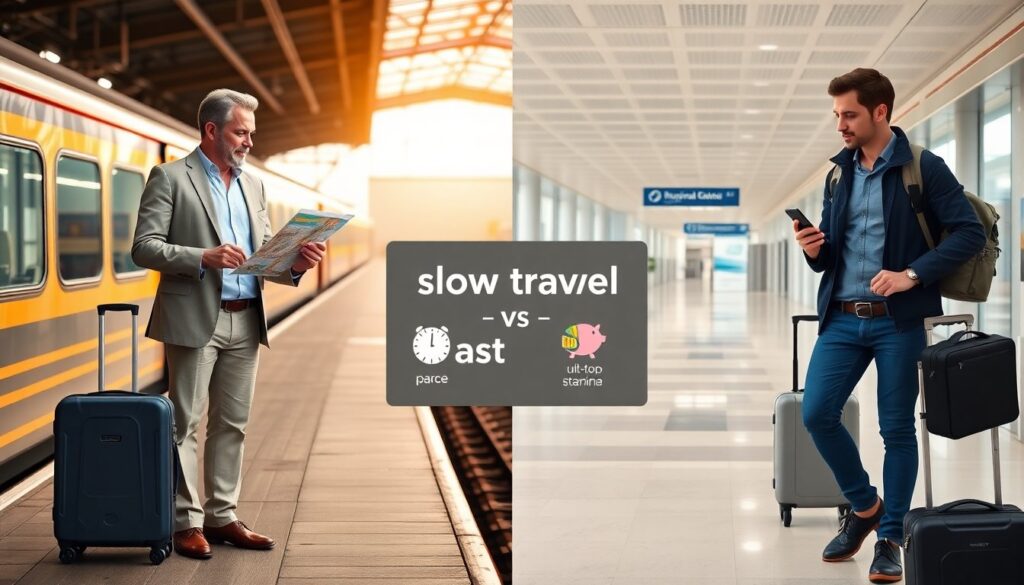
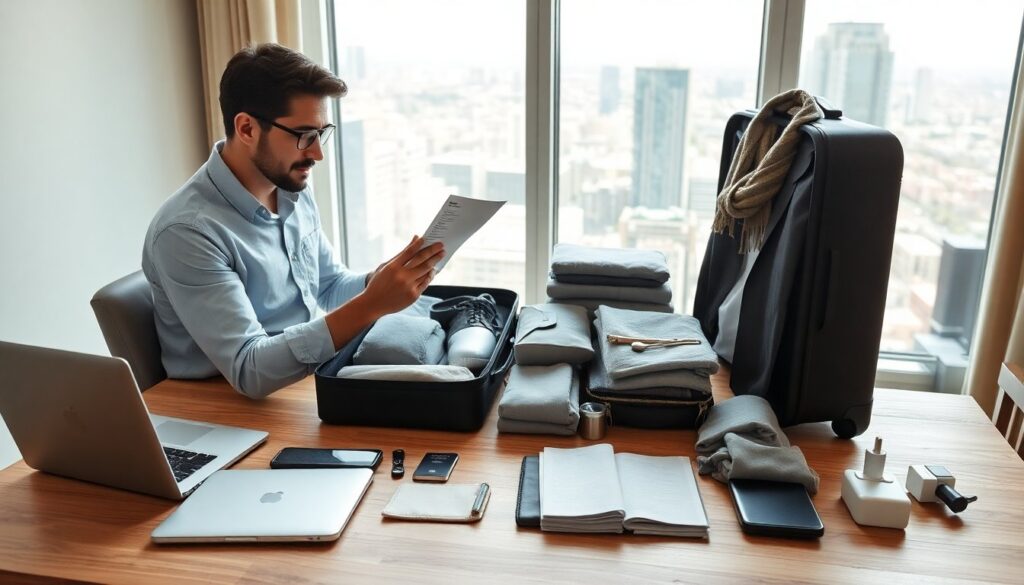
A slow travel packing list helps travelers bring less and stay longer. It reduces laundry days and streamlines movement. The list focuses on versatile clothing, compact gear, and simple health items. It lets travelers adapt to weather, local life, and changing plans. This introduction sets expectations and leads into focused, practical packing advice.
Key Takeaways
- A slow travel packing list emphasizes versatile, quick-drying clothing and quality basics to reduce weight and clutter for longer stays.
- Building a capsule wardrobe with neutral colors and layering pieces like merino and lightweight synthetics simplifies outfit choices and adapts to changing weather.
- Pack compact health and personal care items, including a minimal first-aid kit and refillable bottles, and plan to buy bulky essentials locally when possible.
- Limit tech gear to essentials such as a phone, charger, power bank, and a compact travel adapter to reduce load and ensure functionality during slow travel.
- Organize belongings using packing cubes, place heavy items near the bag frame, and secure important documents in hidden pockets to enhance packing efficiency and security.
- Plan laundry days and use a checklist to streamline packing and avoid unnecessary purchases, supporting a calm, adaptable slow travel experience.
How Slow Travel Changes What You Pack
Slow travel shifts packing priorities. Travelers choose fewer items that serve many uses. They prefer fabrics that wash quickly and dry fast. They add comfort for long stays and local life. The slow travel packing list favors quality basics over single-use items. It reduces weight and clutter in lodging. It invites local shopping for items that must be replaced. They plan for laundry access and seasonal shifts. They pack a small repair kit and a compact first-aid kit. They pack fewer tech extras and more adaptors for long stays. The list matches itinerary length and living conditions and supports a calmer pace. The author suggests reading a guide on how to plan a slow travel trip for trip structure and timing.
Clothing: Capsule Wardrobe Essentials
A capsule wardrobe reduces decision fatigue. Travelers pick neutral colors that mix and match. They include two casual tops per week and one smart top. They include two bottoms and one versatile dress or skirt. They include one lightweight jacket and one warmer layer. They add minimal underwear and socks for rotation with laundry. The slow travel packing list includes a compact rain layer and a scarf. They choose fabrics with low odor and fast drying. They limit bulky items and prioritize items that they will wear often. The wardrobe pairs with minimalist items from a minimalist travel gear checklist when weight matters.
Layering Pieces And Fabrics That Travel Well
Travelers select merino, cotton blends, and lightweight synthetics. Merino resists odor and requires less washing. Synthetics dry fast after hand washing. Cotton blends balance comfort and quick dry time. They layer a base tee, a mid layer, and a windproof shell. They include a compact down jacket for cold nights. They pick neutral tones to increase outfit options. They avoid heavy denim for long trips. They carry a packable knit that doubles as sleepwear. For hiking or long walks they follow a travel gear for backpacking europe list for durable fabric choices.
Toiletries, Health, And Personal Care For Long Stays
Travelers pack small refillable bottles for liquids. They bring concentrated toothpaste and a solid shampoo bar to save space. They include prescription medicines and a copy of prescriptions. They add a minimal first-aid kit with plasters, antiseptic, and pain relief. They bring a lightweight towel and a small laundry soap bar. They include sunscreen and insect repellent sized for the trip. They store items in a clear pouch for easy inspection. They plan to buy bulky or local brands on site. For budget items they compare a budget travel gear essentials page before departure.
Gear, Tech, And Documents You’ll Actually Use
Travelers limit tech to essentials. They bring one phone, one charger set, and one power bank. They include a compact travel adapter with USB ports. They carry a slim laptop or tablet if they work remotely. They pack a noise-cancelling option like earbuds for shared housing. They store documents in a slim organiser and scan copies to cloud storage. They bring a travel lock and a small drybag for valuables. They avoid multiple cameras unless photography is the focus. For digital work they review digital nomad slow travel tips to match gear to workflow.
Packing, Security, And Organization Tips For Slow Travel
Travelers pack cubes to separate clean and dirty clothes. They compress bulky items in a single cube. They place heavy items near the bag frame for balance. They use a checklist to avoid last-minute buys. They secure documents in a hidden pocket while moving. They register trip details with a contact person and store emergency numbers offline. They use a small combination lock for hostel lockers and a cable lock for longer storage. They plan laundry days and local errands to reduce carry time. They compare items with a lightweight travel gear list and an adventure travel packing list to adjust for activities and terrain.