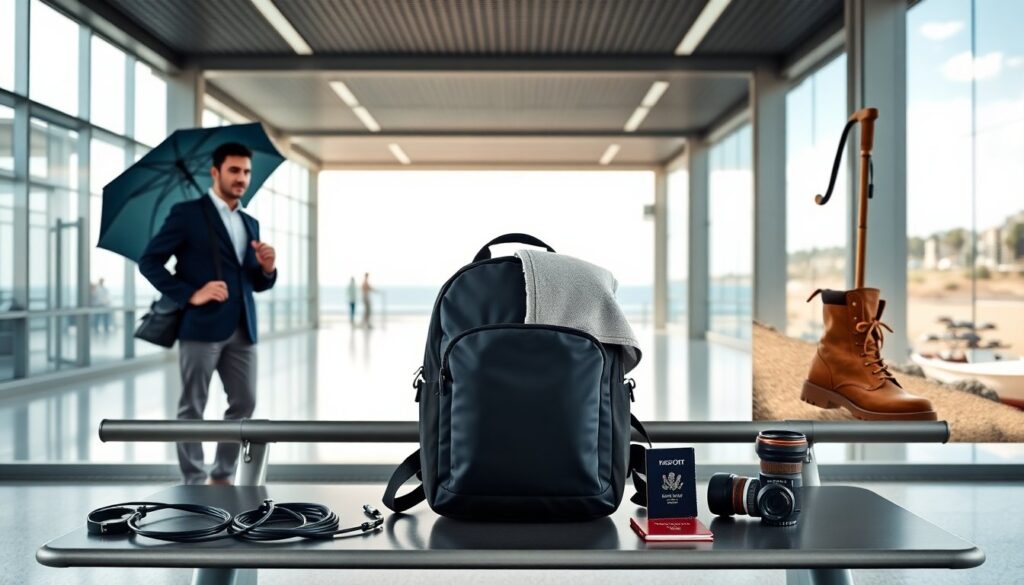

The carry on backpack travel guide helps travelers pack light and move fast. It lays out gear choices, packing order, and airport habits. It shows how to save space, skip checked bags, and stay organized. It gives clear steps for selecting a pack, arranging items, and moving through security. It suits short trips, budget trips, and multi-city itineraries.
Key Takeaways
- Choosing the right carry on backpack involves prioritizing size limits, comfort, and trip type, ensuring it fits airline dimensions and personal needs.
- A smart packing system includes modular essentials like travel documents, minimal clothing, and organized electronics to save space and stay efficient.
- Using packing cubes, rolling clothes, and strategic weight distribution keeps the backpack balanced and easy to carry for long periods.
- Preparing for airport security with clear document sleeves, liquid bags, and easy-to-remove shoes speeds up the process and reduces stress.
- Carrying lightweight, weather-appropriate gear and packing a compact snack and battery bank helps manage unexpected delays and stay comfortable on the go.
- Regularly testing your packed backpack at home ensures it meets size rules, comfort standards, and keeps your load simple and stable.
Choosing The Right Carry-On Backpack For Your Trip
They pick a carry on backpack based on size limits, comfort, and mission. They check airline dimensions first. They choose a bag that fits common cabin rules and still leaves room for essentials. They prefer a bag with a clamshell opening for easy packing and a padded back panel for comfort.
They weigh materials and features. A lighter bag reduces carry strain and lets them add more gear. They look for lockable zippers and a luggage pass-through for airport convenience. They think about weather and select a model that resists rain or pairs with a rain cover.
They match the bag to trip type. For city travel, they pick a slim urban pack with quick-access pockets. For active travel, they pick a pack with sternum and hip straps to stabilize loads. For longer minimal trips, they choose a pack that compresses and expands.
They compare options using practical lists. A traveler building a travel gear for backpacking europe list will favor durable fabrics and anti-theft pockets. A shopper on a budget can follow the budget travel gear essentials advice to find value without excess weight. A person who favors light loads consults the lightweight travel gear list for compact choices.
They try packs with weight and gear before buying. They load the pack with typical items and walk a block. They check fit, zipper access, and pocket placement. They pick the bag that they can carry comfortably for hours.
A Smart Packing System: What To Bring And How To Pack It
They plan items around use and volume. They list must-haves first: travel documents, one change of clothes, toiletries, chargers, and a small first-aid kit. They limit shoes to one pair worn and one pair packed. They aim for modular items that serve multiple roles.
They use packing cubes and roll clothes to save space. They place heavy items near the back and center to keep weight close to the body. They place fragile items in the middle and electronics in a padded sleeve near the top for quick removal. They keep an outfit and essential medications in the top pocket for fast access.
They apply minimalism to hygiene and tech. They choose travel-size toiletries and multiuse clothing. They bring a lightweight towel and compressible jacket. They store cords in a small organizer and keep chargers with the electronics they power.
They consult checklists for specific trip styles. A hiker follows the adventure travel packing list to pick safety and navigation items. A slow traveler uses the slow travel packing list to cut repetition and prioritize comfort. A woman planning a short trip can use the travel gear essentials for women guide to balance style and function.
They test the system at home. They pack, zip, and weigh the bag. They remove items until the bag meets size rules and comfort targets. They repeat until the load feels simple and stable.
Airport, Security, And On-The-Go Practical Tips
They arrive early to reduce stress. They check airline carry-on rules the night before. They use a clear document sleeve for boarding passes and IDs to speed up lines. They place liquids in a single transparent bag and keep it near the top for security screens.
They set up clothing for quick screening. They wear shoes that slip on and off. They avoid belts and heavy jewelry that cause delays. They keep electronics and chargers together so they can place them in a bin quickly.
They manage carry weight on long walks. They tighten hip and sternum straps before long periods of standing. They shift heavier items close to the spine to reduce fatigue. They use short rests and stretch every hour when walking with load.
They prepare for unexpected delays. They pack a compact snack, a battery bank, and a lightweight rain layer in an easy-access pocket. They keep copies of reservations and a basic medical card in a dedicated pocket.
They choose gear to match conditions. A waterproof choice helps in wet climates, and travelers consult the waterproof backpack travel use cases resource when rain is likely. They adopt a minimalist travel gear checklist approach for fast transfers and frequent moves. They use the lightweight travel gear list for items that reduce overall load.
They keep a simple repair kit and a few zip ties. They fix minor problems quickly and avoid heavy tools. They stay flexible and keep movement the priority.