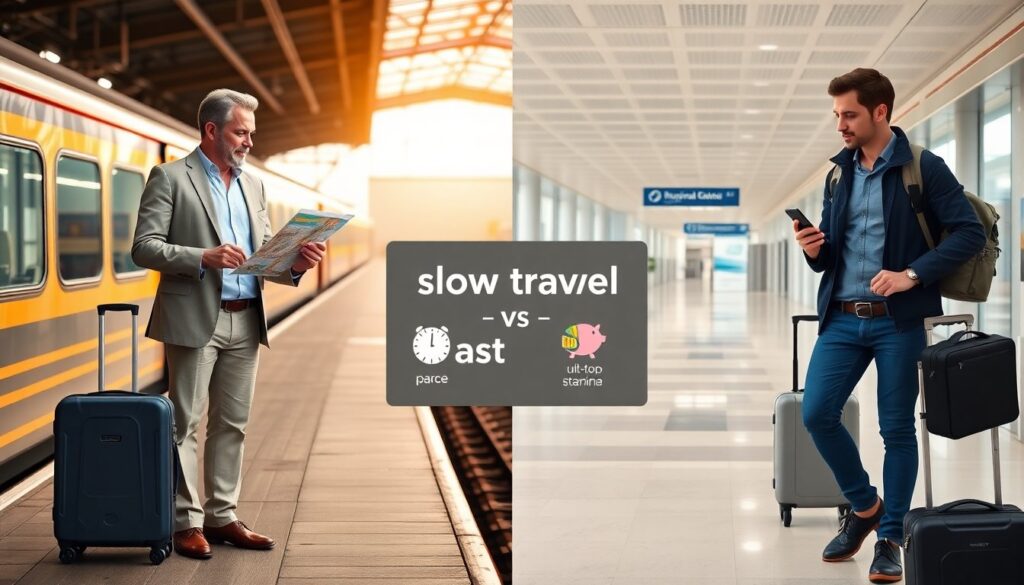

The benefits of slow travel-vs-fast-travel/”>travel lifestyle appear across wellness, budget, and culture. Slow travel reduces rush and adds time for real learning. It lets travelers build steady routines and lower daily costs. The approach improves mood and encourages local ties. Readers will see clear benefits and practical ideas they can use on their next trip.
Key Takeaways
- The benefits of slow travel lifestyle include deeper cultural immersion by staying longer and engaging with local communities, enhancing language skills and authentic connections.
- Slow travel reduces stress by minimizing frequent moves, airport transits, and packing, resulting in clearer routines and better mental health.
- Adopting a slow travel lifestyle cuts costs through longer stays, lower transport expenses, and opportunities to cook and shop locally.
- Choosing slow travel encourages sustainable spending and reduces environmental impact by favoring local neighborhoods and transport options.
- Practical planning for slow travel involves focusing on fewer destinations, using public transport, and allowing time for meaningful experiences.
What Is Slow Travel? A Practical Definition For Modern Travelers
Slow travel means staying longer in one place and moving less often. The benefits of slow travel lifestyle include deeper learning, lower transport costs, and less packing stress. Travelers who adopt slow travel often choose trains, bikes, and local buses. They favor neighborhoods over tourist hubs. For a step-by-step primer on this style, readers can compare what is slow travel lifestyle with other methods. New travelers can also read a practical take on slow travel vs fast travel to see key differences.
Deeper Cultural Immersion And Authentic Connections
Slow travel creates time to meet neighbors and shop at local markets. The benefits of slow travel lifestyle include better language skills and real friendships. Visitors can join community events and volunteer for short projects. They can learn local crafts and eat at family-run restaurants. This section shows how to build ties and gives concrete examples.
Reduced Travel Stress And Improved Mental Health
Slow travel lowers the number of airport transits and tight connections. Fewer moves reduce packing, planning, and transit anxiety. The benefits of slow travel lifestyle include clearer daily routines and more restful sleep. People report reduced burnout and higher creative output. To plan slower trips, readers can follow guides on how to plan a slow travel trip for practical steps that cut stress.
Cost Efficiency And Sustainable Spending Habits
Longer stays often cut average nightly costs. The benefits of slow travel lifestyle include lower transport spending and fewer last-minute bookings. Travelers can cook meals and use local transport to reduce daily expenses. Longer stays let people choose lower-cost neighborhoods and negotiate monthly rents. This approach often leads to smaller environmental footprints too. For readers who want cheap options, the article on how to travel slow and cheap offers clear tactics.