Slow travel tips for beginners help them plan trips that feel calm and memorable. The guide shows simple steps to choose a place, pack light, and move slowly. It explains cost choices and ways to meet locals. The reader learns clear actions they can use on the first trip.
Key Takeaways
- Slow travel tips for beginners emphasize staying longer in one place to reduce stress and experience local rhythms deeply.
- Planning a slow travel trip involves choosing a base, booking flexible lodging, and setting a daily budget focused on local food and activities.
- Move slowly on the road by selecting two or three activities per day, exploring local markets, and engaging with community workshops.
- Pack light with a minimal slow travel packing list and use public transit passes or slow trains to save money.
- Prioritize rest and flexibility over tight schedules to improve wellbeing and enjoy spontaneous local experiences.
- Building relationships with locals and using their advice can lead to authentic experiences and lower travel costs.
Why Slow Travel Works — Benefits For First-Timers
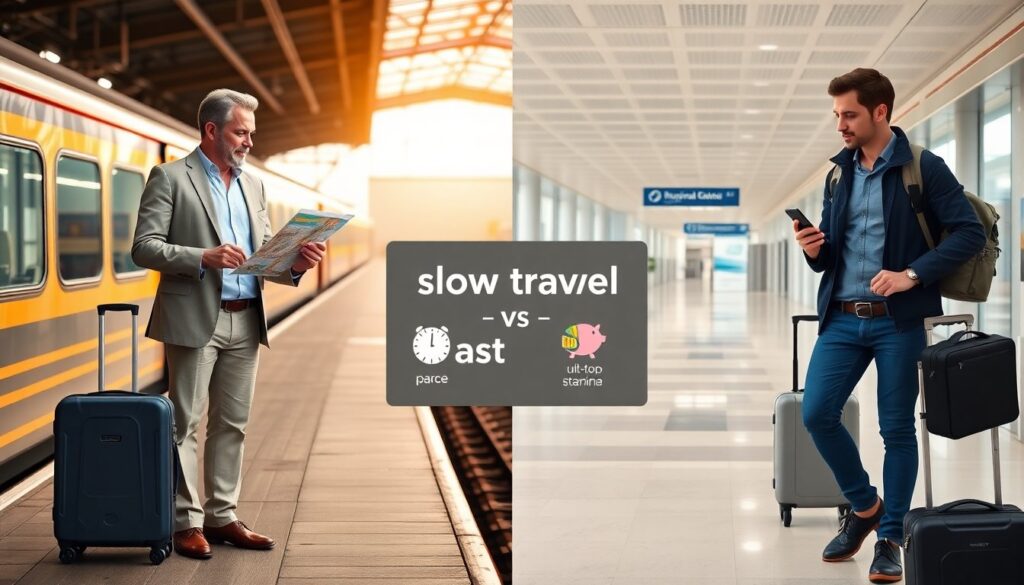
Slow travel tips for beginners show clear benefits for new travelers. They reduce transit stress and increase real experiences. A traveler stays longer in one place and learns local rhythms. They spend less on short trips and more on meaningful activities. Slow travel saves money when travelers avoid constant flights and last-minute bookings. The approach also improves wellbeing. They rest more and feel less rushed. Local hosts offer advice and lower-cost meals. The traveler builds routines that cut daily expenses. For planning help, readers can consult a guide on what is slow travel lifestyle to understand core ideas. They can compare options with an article on slow travel vs fast travel to choose the right pace. They see clear trade-offs between time and cost. The benefit list helps beginners pick priorities for their first slow trip.
How To Plan Your First Slow-Travel Trip
A planner picks a region and stays for days or weeks in nearby towns. They choose one base and explore by day. They create an itinerary that includes rest days and simple activities. Slow travel tips for beginners recommend booking flexible lodging and a cheap long-term stay. They research public transit and local markets. A traveler sets a daily budget and favors local food. They prepare a slow travel packing list that fits minimal needs. They also read a post on how to plan a slow travel trip for step-by-step tasks. Travelers who work remotely should view digital nomad slow travel tips for setup and routines. They use transport passes and slow trains to save money. They book longer stays to gain host discounts. They check visas and health requirements before leaving. The planner keeps days flexible and reserves full days for rest. The result is a clear, low-stress plan that fits the traveler’s pace and budget.
Practical Tips On The Road: Staying Flexible, Local, And Low-Stress
A traveler applies simple rules on the road. They move slowly and choose two or three activities each day. Slow travel tips for beginners recommend local markets, neighborhood walks, and short workshops. They ask hosts for neighborhood tips and use local maps. They eat where locals eat to save money and try real dishes. They use cash and small purchases to avoid fees. The traveler keeps one small backpack and follows a slow travel packing list to stay light. They use apps for local transit and buy weekly passes when available. They visit museums on free days and join cheap tours run by local guides. They book occasional longer transport to switch regions and then settle again. For cost ideas, they read how to travel slow and cheap for vendor and market tips. They track spending with a simple notebook or app. They prioritize sleep and weather over sight lists. When energy is low, they skip big plans and rest. The traveler keeps a flexible calendar to accept invitations and new discoveries. They value local relationships over checking boxes.