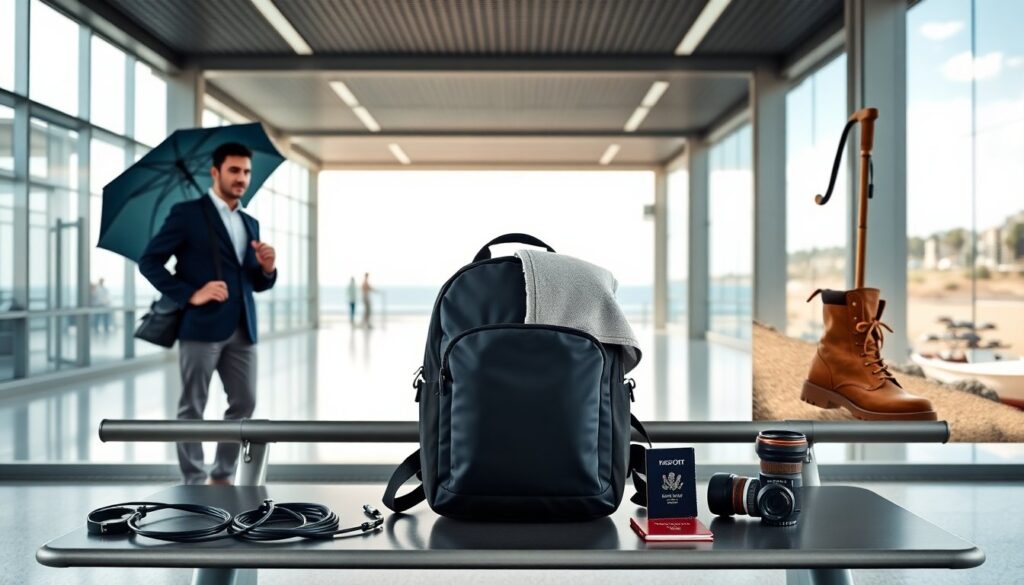
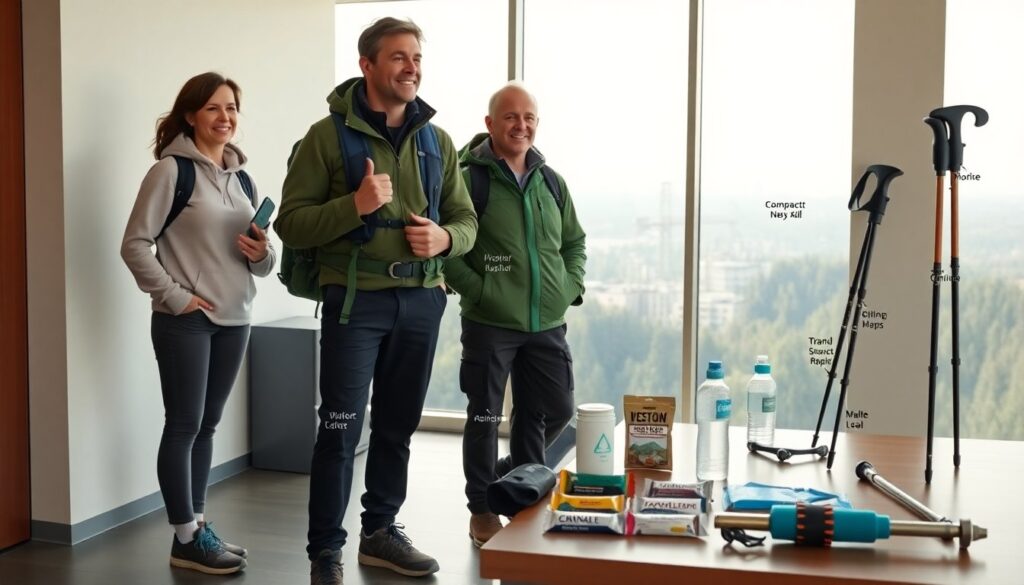
Must have hiking gear beginners need simple items to stay safe and stay comfortable on trails. The list focuses on footwear, clothing, pack items, and safety tools. It helps new hikers plan gear and avoid common mistakes. The guide uses clear terms and direct advice for first trips on marked trails.
Key Takeaways
- Must have hiking gear beginners should select footwear like trail shoes or hiking boots based on trail type and pack weight, ensuring a proper fit with appropriate socks.
- A simple layering system of base, insulating, and shell layers made of synthetic or wool fabrics keeps hikers comfortable and protected in changing weather.
- Choose a pack that fits well and carries essential hydration and calorie-dense snacks, adjusting water and food amounts for hike length and temperature.
- Always carry navigation tools such as a map, compass, and GPS device, and practice using them before heading out on the trail.
- Include safety essentials like a first-aid kit and repair supplies, storing them in easy-to-reach pockets for quick access during hikes.
Footwear: Choosing Trail Shoes Or Hiking Boots And The Right Socks
They choose footwear by trail type and load. If they expect short day hikes on well-packed trails, they pick trail shoes. If they expect rocky terrain or heavy packs, they pick hiking boots. They fit shoes with the socks they will wear on the trail. They buy socks that wick moisture and reduce friction.
They test footwear with a short walk and a full pack indoors. They check for heel slip, toe room, and arch support. They replace worn soles and test tread grip on wet surfaces. New hikers should budget for a proper fit and break-in period. For lighter trips, they compare a lightweight travel gear list that highlights low-weight shoe options. For cost-conscious choices, they consult a budget travel gear essentials article that covers value footwear.
Clothing: Layering System For Changing Conditions
They adopt a simple layering system: base layer, insulating layer, and shell. They choose a base layer that moves sweat away from skin. They choose an insulating layer that traps heat when temperatures drop. They select a shell that blocks wind and rain.
They prefer synthetic or wool fabrics for base and insulating layers. Cotton loses insulation when it gets wet, so they avoid it. They carry an extra warm layer in cold conditions and a lightweight shell for rain. They match clothing weight to hike length and weather forecast. Women may review a travel gear essentials for women list for fit and sizing tips. Minimalists can compare items with a minimalist travel gear checklist to cut weight.
Pack, Hydration, And Trail Nutrition
They choose a pack that fits their torso and holds necessary items without excess weight. Day hikers pick a 15–30 liter pack. Overnight hikers pick larger capacity packs with hip belts. They test pack fit before a long hike.
They plan water and food by hike length and heat. They carry at least two liters for moderate day hikes and more in hot conditions. They use a hydration bladder or bottles that fit the pack pockets. They pack calorie-dense snacks like nuts, energy bars, and dried fruit. For camping trips they combine this gear with a camping gear checklist beginners to cover shelter and cooking. For longer treks they consult an adventure travel packing list to scale food and water plans.
They keep the main keyword visible: must have hiking gear beginners appears here as a reminder of core items and priorities.
Navigation, Safety, And Emergency Essentials
They pack navigation tools, a first-aid kit, and basic repair supplies. They store items in easy-to-reach pockets. They practice using each item before leaving the trailhead.
Map, Compass, And GPS Basics
They carry a map and a compass for every trip. They download offline maps and charge a GPS device or phone before the hike. They set waypoints and test the device on a short route. They keep a paper map as a backup if batteries fail. They review simple compass skills like taking a bearing and following a bearing.