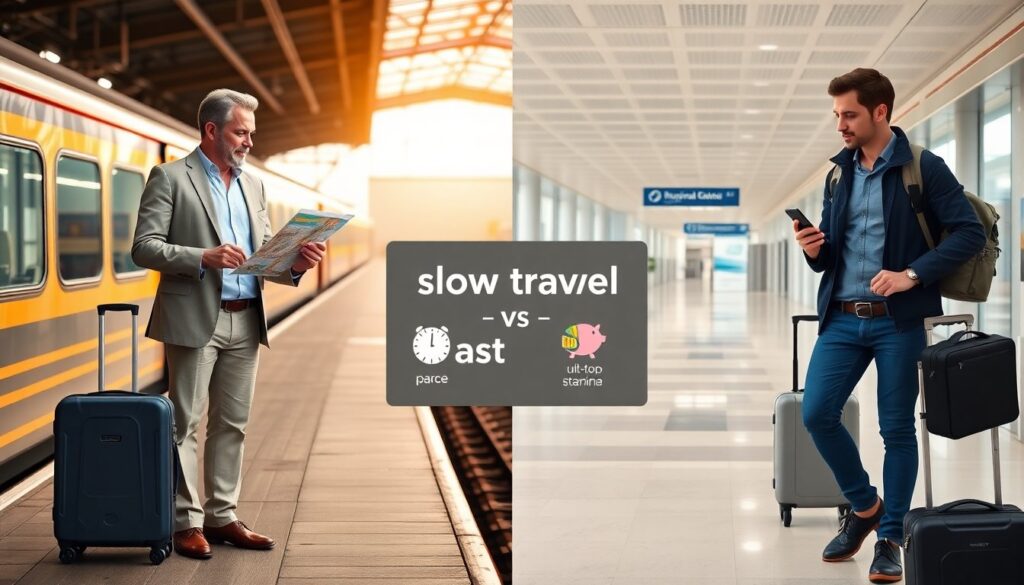

Digital nomad slow travel tips help remote workers stay productive and calm on the road. This guide lists clear tips for longer stays, steady work, and local ties. It shows how to pick bases, build routines, and handle logistics. Readers will get direct steps they can use on their next trip.
Key Takeaways
- Digital nomad slow travel tips emphasize choosing long-term bases with reliable internet, safety, and culture to enhance productivity and comfort.
- Researching local cost of living, safety, and culture helps digital nomads plan realistic slow travel stays and avoid surprises.
- Confirming visas, connectivity, and workspace options in advance ensures smoother transitions and steady remote work while traveling.
- Designing a flexible yet focused work routine allows digital nomads to balance deep work periods with local exploration and social connections.
- Building local routines and communities supports mental well-being and enriches the slow travel experience by fostering friendships and cultural ties.
- Handling practical logistics like monthly accommodation, backup connectivity, and health insurance reduces stress and keeps digital nomads prepared during slow travel.
Why Slow Travel Works For Digital Nomads
Slow travel helps a digital nomad slow travel tips deliver better work and life balance. Longer stays let them learn local rhythms and reduce transit fatigue. They save money by renting monthly and avoid constant packing. Slow travel supports deeper friendships and clearer mental space. A nomad who chooses slow travel often reports steadier output and less burnout. For planning, the nomad can read about the benefits of slow travel to set realistic goals.
Choose Long-Term Bases Strategically
When a digital nomad slow travel tips include choosing bases, they pick places that match work needs. They rank cost, safety, and culture before booking. They prioritize steady internet and easy visa options. They test neighborhoods when possible. They pick housing near cafes or coworking spaces to cut commute time.
Research Cost Of Living, Safety, And Local Culture
A digital nomad studies local costs and safety before moving. They compare rent, food, and transport prices. They read local news and expat notes to spot risks. They respect local culture to avoid friction. For step-by-step planning, the nomad can use a guide to plan a slow trip and match expectations.
Confirm Visas, Connectivity, And Workspace Options
A digital nomad verifies visa rules and internet speed before arrival. They check coworking options and cafe wifi reliability. They book flexible stays that allow date changes. They pack a travel adapter and a portable hotspot when needed. They read practical guides on how to travel slow and cheap to lower monthly costs and keep bandwidth steady by using tested local plans.
Design A Work Routine For Deep Focus And Flexibility
A digital nomad sets a clear work routine that supports focus and free time. They block deep work hours and mark lighter tasks for afternoons. They use time zones to schedule calls and avoid odd hours. They adopt a simple toolset for tasks and communication. They set office hours so locals know when they are available. New nomads can pair these steps with basic slow travel tips for beginners to ease the first weeks.
Build Local Routines And Community
A digital nomad creates routines that connect work and life. They buy groceries at the same markets and join one local class. They work at the same cafe to meet people and build a social anchor. They join expat groups and local meetups for skill swaps and friendship. They keep regular contact with family to reduce loneliness. For content creators, local life can power slow travel blog ideas and steady posts.
Practical Logistics: Accommodation, Connectivity, And Health
A digital nomad secures monthly accommodation with clear cancellation terms. They test internet on day one and ask for a speed guarantee if possible. They keep a backup hotspot and a charger kit. They sort travel health insurance that covers extended stays. They learn local emergency numbers and nearest clinics. For packing, a clear slow travel packing list helps cut excess and speed moves. For longer train routes, the nomad can plan trips with train travel tips to keep transit calm and simple.