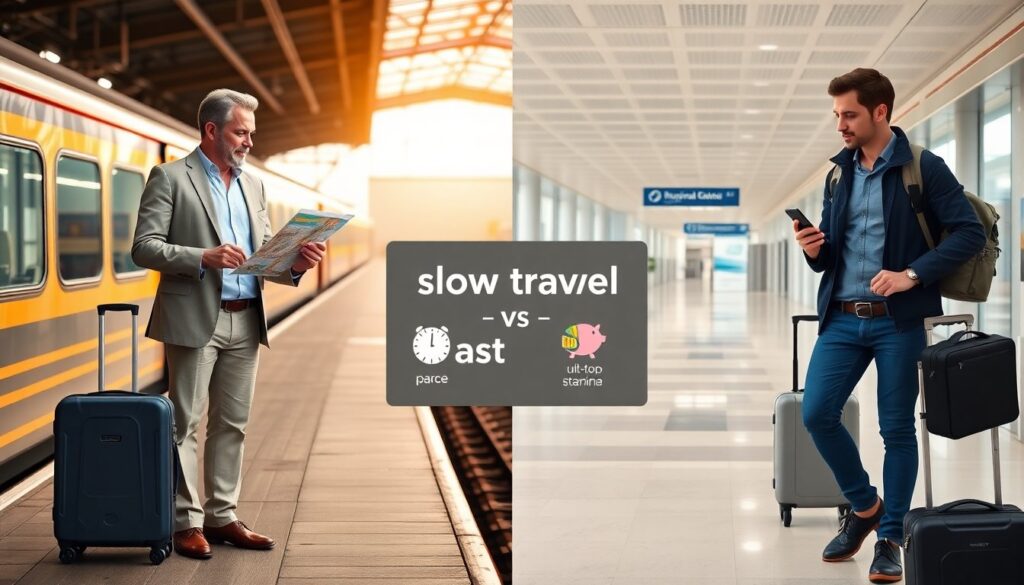

Travel writers list countries for slow travel europe as top planning topics for 2026. The reader will learn why slow travel works, practical tips, and three country choices. The piece will keep advice simple and actionable. Each sentence states a clear point and guides the reader to plan longer stays.
Key Takeaways
- Slow travel in Europe emphasizes longer stays, local experiences, and using eco-friendly transport like trains, bikes, and walking to deeply connect with destinations.
- Portugal stands out for slow travel with its mild climate, compact towns, rich food traditions, and easy transport between regions like the Algarve and Alentejo.
- Slovenia offers a perfect slow travel experience due to its compact size, diverse nature, easy rail and bus connections, and quiet off-peak seasons for restful exploration.
- Italy appeals to slow travelers through its regional trains, small hill towns, slow food culture, and markets, encouraging week-long stays in specific regions like Emilia-Romagna and Umbria.
- Planning slow travel involves choosing flexible accommodations, booking regional transport, and pacing your itinerary to fully enjoy local rhythms without rushing.
Why Choose Slow Travel In Europe? Benefits, Mindset, And Practical Tips
Slow travel offers deeper contact with place. The traveler learns local rhythms and spends less time rushing. Slow travel favors trains, bikes, and walking as transport. It reduces stress and spreads travel costs over more nights. A traveler who wants slow travel should pick fewer destinations and stay longer in each. They should book flexible lodgings and prioritize local food and markets. For train-focused routes the writer can use the train travel europe slow travel guide. For a clear plan the reader can use a how to plan a slow travel trip resource. The mindset matters: patience brings better memories and lower expense.
Portugal — Algarve To Alentejo: Sun, Food, And Slow Living
Portugal rewards slow travel with mild weather and compact towns. The Algarve offers coastal walks and quiet villages in low season. Alentejo supplies open plains, cork trees, and slow-paced towns with strong food traditions. Lisbon and Porto can serve as bases for longer stays. A traveler who likes food will enjoy taverns and small wineries. For ideas on less crowded spots the reader can consult secret travel destinations europe. For regional rhythms the traveler should aim for weekly stays and simple train or bus segments. Portugal ranks high among countries for slow travel europe because it combines easy transport with calm countryside.
Best Regions And What To Do In Portugal (Paced Activities And Local Experiences)
The Algarve invites beach walks, seafood meals, and village markets. Alentejo offers olive farm visits, quiet roads for cycling, and stone villages to explore slowly. Douro Valley hosts river cruises, vineyard visits, and slow meals timed to sunset. Lisbon provides neighborhood walks, tram rides, and neighborhood markets for daily discovery. Porto offers port lodges and riverside strolls. The traveler should book a cooking class or a market tour to meet locals. The reader can use a slow travel europe itinerary for pace ideas. Portugal appears often on lists of countries for slow travel europe because it balances comfort with discovery.
Slovenia — Compact Nature, Charming Towns, And Easy Rail Connections
Slovenia fits slow travel needs with short distances and varied scenery. The traveler can move from Ljubljana to lakes and mountains in under two hours. Trains and regional buses connect main sites. Towns like Piran and Bled invite lingering walks and café visits. The country rewards off-peak travel with quiet trails and empty guesthouses. For ideas on less common routes the reader can read about off the beaten path europe travel. Slovenia ranks among compact countries for slow travel europe because it lets the traveler see more with less transit time.
How To Travel Slowly In Slovenia: Transport, Seasonal Notes, And Where To Stay
A traveler should use regional trains and local buses for short hops. They should reserve guesthouses near towns rather than in big hotels. Summer brings crowds to lakes, so the traveler should aim for spring or fall. Winter suits thermal spas and mountain views. The reader can find hidden spots through a hidden gems in europe underrated places article. They should book flexible tickets and allow extra days for rest. Slovenia demonstrates why countries for slow travel europe can be both small and rich in variety.
Italy — Slow Food, Hill Towns, And Regional Trains
Italy offers long food traditions and many small towns to linger in. The traveler can ride regional trains between hill towns and explore on foot. Regions like Emilia-Romagna, Umbria, and Le Marche supply lower tourist density and strong markets. The traveler should pick a region and stay a week to ten days to feel the local pace. For low-cost options the reader can consult a how to travel slow and cheap guide. Italy remains a top pick among countries for slow travel europe because food and place align with long stays.
Sample 7–10 Day Slow Travel Itinerary In Italy (Pace, Logistics, And Highlights)
Day 1: Arrive in Bologna and walk food markets. Days 2–3: Train to Modena for food tours and slow meals. Days 4–6: Move by regional train to a hill town in Umbria and stay in a small guesthouse. Days 7–8: Explore nearby villages by bike and taste local wines. Days 9–10: Return by train and spend a final day in a city market. For pacing tips the reader can use slow travel blog ideas to record experiences. This itinerary shows why travelers list Italy among countries for slow travel europe and how they can keep a steady, calm rhythm.