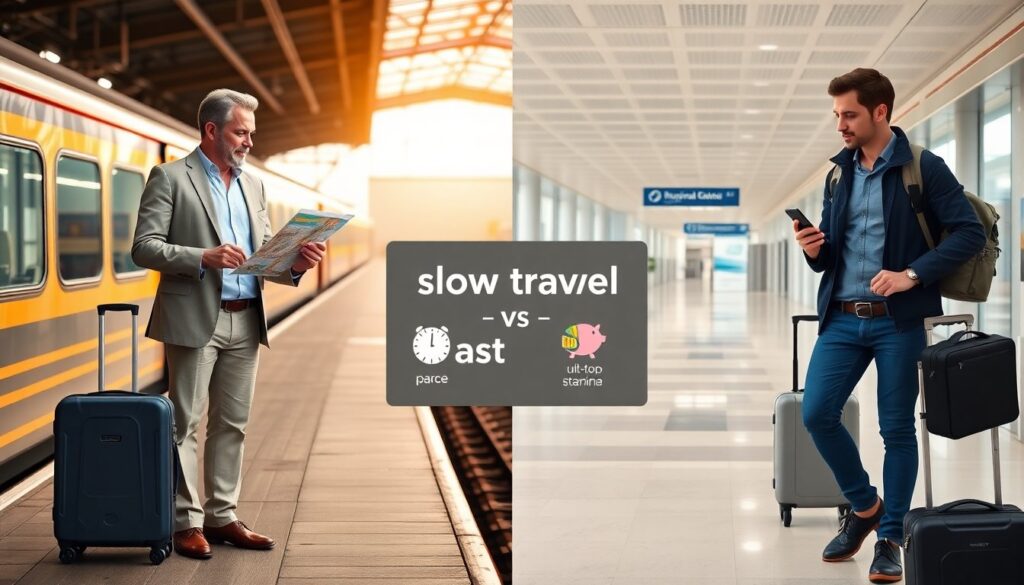

slow travel europe itinerary helps a traveler slow down, stay longer, and meet locals. The traveler chooses regions, moves less, and spends more time in each town. This approach reduces transit stress and increases time for food, markets, and conversation. The guide outlines mindset, a practical three-week route, and logistics to make a slow travel europe itinerary work in 2026.
Key Takeaways
- A slow travel Europe itinerary focuses on spending more time in fewer locations to deeply connect with local culture and reduce transit stress.
- Planning a slow travel itinerary involves selecting regional bases, booking flexible transport passes, and including buffer days for rest and weather.
- Adopting the slow travel mindset prioritizes experiences like markets, local food, and walks over rapid sightseeing.
- A practical three-week itinerary might include multi-night stays in Southern France, Northern Spain, and Tuscany or the Peloponnese, balancing exploration and relaxation.
- Logistics favor rail travel, family-run accommodations with kitchens, and use of local transport to enhance authentic experiences and manage a balanced budget.
- Packing light, staying flexible with bookings, and preparing for safety and communication needs help support a smooth slow travel Europe itinerary.
Why Slow Travel Beats The Rush — Mindset, Benefits, And How To Plan
Slow travel Europe requires a clear mindset. The traveler values time over ticking boxes. They plan fewer stops and set clear priorities: food, markets, walks, and small museums. This mindset reduces hurry and improves connection with local life.
Slow travel yields clear benefits. It cuts daily transit, lowers fatigue, and increases local spending. The traveler learns customs and phrases faster. They find small producers and stay in family-run guesthouses. When a town appeals, they stay an extra day without breaking the plan.
How to plan a slow travel europe itinerary. The planner picks regions that group well by transport. They choose a base for 4–6 nights and a second base for the next 4–6 nights. They book flexible rail or bus passes and reserve key stays with free cancellation. The planner builds buffer days for weather or slow days.
Practical pre-trip actions. The traveler reads a short list of national holidays and local market days. They download offline maps and local transit apps. They pack light and plan laundry mid-trip. The planner sets a modest daily budget that allows for extra meals or museum entries.
Further reading on how to plan appears in focused guides about how to plan a slow travel trip and what is slow travel lifestyle. These pages explain step-by-step choices and mindset shifts.
A Practical 3-Week Slow-Travel Itinerary: Regions, Pace, And Sample Days
Week 1: Southern France base. The traveler stays in one village near a train line for five nights. Days include a market morning, a long walk, and an afternoon cafe. One day they take a short regional train to a coastal town and return the same day. This rhythm fits a slow travel europe itinerary and trains reduce transit time.
Week 2: Northern Spain base. The traveler moves by train and stays six nights in a small city. They spend two days on local food markets, one day on a guided craft tour, and one day resting. The plan keeps travel between towns short and repeats routine to deepen local contact. For route ideas and country picks, see notes on countries for slow travel europe and options for train travel europe slow travel.
Week 3: Tuscany or Peloponnese base. The traveler chooses a rural house for five nights near a small town. Days include a cooking class, a village festival if available, and slow drives or short trains to neighboring towns. The final two days the traveler returns to a major city to fly home, arriving with calm rather than exhaustion.
Sample day structure for any base. The traveler wakes, shops at a local market, lunches with locals, rests, and takes an evening walk. The repeated routine deepens relationships and memory. This structure keeps the slow travel europe itinerary simple and reliable and helps the traveler find favorite streets and people.
Logistics, Budgeting, And Packing Tips For Slow Travel In Europe
Logistics: The traveler chooses rail or short regional flights for long legs. They book accommodations with local hosts and choose stays with kitchen access. They use local buses and bikes for daily trips. For tips on low-cost options, the traveler reads guides on how to travel slow and cheap and strategies for digital nomad slow travel tips.
Budgeting: The slow traveler spends more per day in one place and less on transit. They plan a daily budget that covers meals, local tickets, and small purchases. The traveler reserves an emergency fund equal to three days of expenses. They split costs between paid experiences and free activities like markets and walks.
Packing: The traveler limits luggage to one bag and one daypack. They pack versatile clothing, a compact laundry kit, and a lightweight day shoe. The traveler carries copies of reservations and a simple first-aid kit. A practical checklist and item suggestions appear in the slow travel packing list.
Staying flexible. The traveler books accommodations with free cancellation and avoids tight same-day connections. They build in rest days and accept weather changes. For beginners, a quick primer on daily habits and pace appears in slow travel tips for beginners.
Safety and communications. The traveler keeps scanned documents in cloud storage and registers travel plans with family. They buy a local SIM or eSIM for regional data. They follow local rules and respect quiet hours in villages.
Final practical note. The slow travel europe itinerary rewards curiosity and patience. The traveler sees more of culture and less of checklists. The itinerary reduces stress and increases memory, and it fits well with modern rail networks and local hosts.