Train travel Europe slow travel offers a calm way to move between cities. The guide shows route ideas, packing tips, and planning steps. It helps travelers plan time, budget, and connections. It helps readers choose scenic lines and local stops for deeper visits.
Key Takeaways
- Train travel Europe slow travel offers a scenic, relaxed way to explore the continent while reducing carbon footprint and avoiding airport hassles.
- Planning a slow-travel rail itinerary involves choosing scenic routes, setting a manageable pace with buffer days, and prioritizing local stops for cultural immersion.
- Booking strategies include comparing rail passes and point-to-point tickets, reserving seats on popular trains, and opting for flexible fares to accommodate changes.
- Top slow travel routes highlight regions like the Alps, Iberian coast, and Balkans, with options to combine overnight trains and scenic daytime lines to save costs.
- Packing light and preparing for station transfers enhance onboard comfort and ease of travel, while dining cars and conductor interactions enrich the experience.
- Slow train travel benefits travelers by lowering emissions, boosting cultural engagement, and reducing overall travel expenses compared to faster transport methods.
Why Slow Train Travel Is The Best Way To See Europe
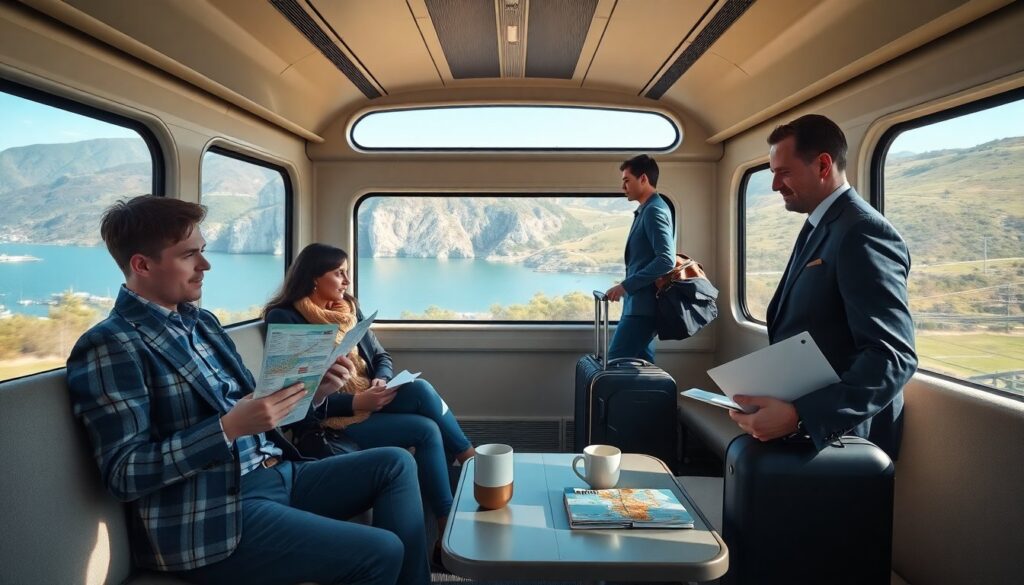
Slow train travel Europe slow travel lets travelers watch landscapes change. It gives time to meet locals, read, and plan the next stop. It reduces airport queues and long security lines. Travelers enjoy large windows, stable motion, and reliable schedules on many European lines. The pace favors regional food, small museums, and walking through neighborhoods. Many choose slow train travel Europe slow travel for the lower carbon footprint and quieter travel days. The slower pace often saves money when travelers skip last-minute flights and high-speed fares.
Planning Your Slow-Travel Rail Itinerary
Choosing routes, Pace, And How Many Stops To Make
Travelers set a clear goal and then add buffer days. They pick one or two regions per trip to avoid rush. They select scenic lines like coastal or mountain routes and add towns every one to three travel days. They count travel time, transfer time, and local time for each stop. The plan keeps one full day per key town for walking, markets, and side trips.
Booking Strategies, Passes, And Ticket Tips For Flexibility
Travelers buy point-to-point tickets for fixed dates and use rail passes for open travel. They compare regional passes and national offers before they commit. They reserve seats on popular scenic trains when rules require reservations. They choose refundable or flexible fares if their schedule may change. They use apps and official rail sites to watch for discounts and off-peak prices. For help on route structure, readers can review a guide on how to plan a slow travel trip.
Top Scenic Routes And Regional Picks For Slow Travelers
Travelers often start in the Alps, the Iberian coast, or the Balkans for scenery. They find slow charms on lines that hug water or climb through passes. The Glacier Express alternatives and coastal ferries pair well with regional trains. For multi-country routes, travelers combine overnight trains with daytime scenic lines to save lodging costs. For full itineraries readers can compare a sample slow travel europe itinerary. Travelers who want quieter spots may look at smaller lists of secret travel destinations europe.
Practical Tips: Packing Light, Onboard Life, And Making Connections
Travelers pack light and choose luggage that fits luggage racks and tight platforms. They bring a daypack, layerable clothing, and easy shoes for local walking. They carry chargers, earplugs, and a compact towel. They use timed alarms to avoid missed stops and label luggage with the next station. Onboard, travelers use dining cars for local dishes and chat with conductors for route tips. They plan station transfers using official timetables and add at least 20 minutes for regional changes. For ideas on offbeat stop choices, they can read about off the beaten path europe travel.
Sustainable, Cultural, And Budget Benefits Of Slow Train Travel
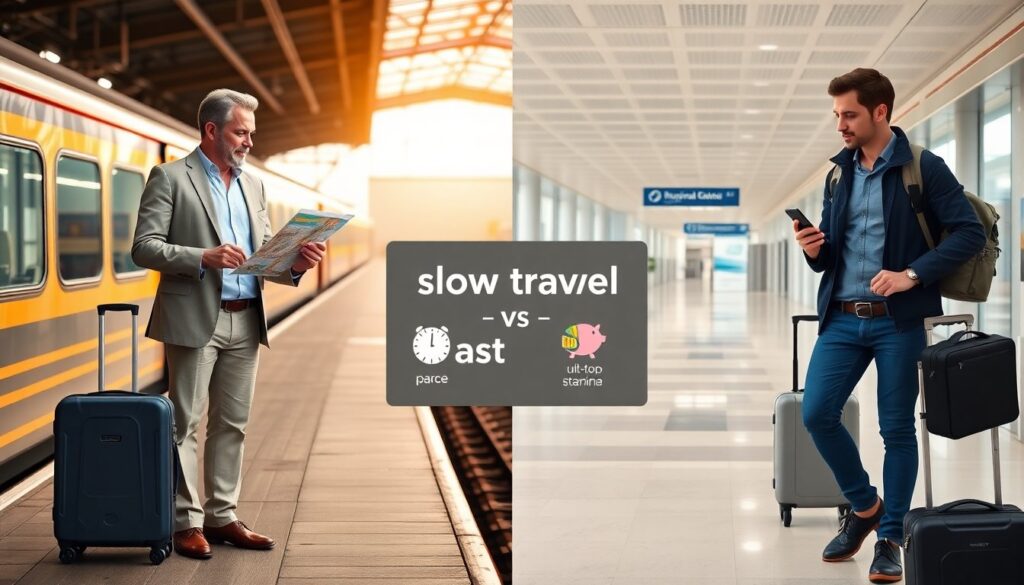
Slow train travel Europe slow travel lowers per-person emissions compared with short-haul flights. It shifts travel time into living time, so travelers spend more on local shops and less on one-time transport fees. Travelers gain cultural depth by arriving earlier in a day or staying overnight in towns that high-speed routes skip. They save when they avoid baggage fees and late booking premiums. For a breakdown of benefits, readers can consult an article on benefits of slow travel lifestyle. For cost comparisons, readers can explore a piece on slow travel vs fast travel.
Extra Resources And Regional Suggestions
Travelers who plan longer trips often mix train days with local stays in two to four towns per region. They create simple loops to reduce backtracking and use night trains to cover long distances while saving hotel costs. For country choices readers can review countries for slow travel europe. For blog ideas and trip notes, writers may slow travel blog ideas.